Vitamin E
(Tocopherol - The Anti-Ageing Vitamin)
- It is related to muscle metabolism and to erythrocyte tranquility.
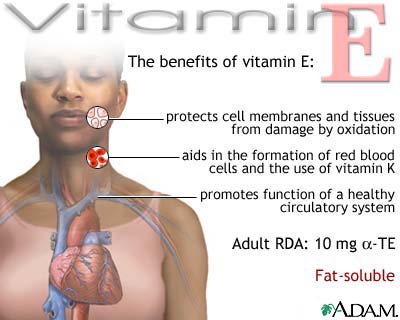
- Protects cell membranes and tissues from damage by oxidation
- Aids in the formation of red blood cells and the use of vitamin K
- help protect the functioning of cells and the intracellular processes.
- Vitamin E oxygenates the tissues and reduces the need for oxygen intake markedly.
- It is essential for normal reproductory functions, fertility, and physical vigour.
- It prevents unsaturated fatty acids, sex hormones, and fat-soluble vitamins from being destroyed in the body by oxygen.
- Vitamin E dilates the capillaries and enables the blood to flow freely into blood-deficient muscle tissue, thus strengthening both the tissues and the nerves supplying them.
- It dissolves blood clots and also prevents their formation.
- It does not, however, interfere with the normal clotting of blood.
- It prevents the formation of excessive scar tissues and in some instances, even melts away unwanted scar tissue.
- It also promotes urine secretion.
Sources:
Green leafy vegetables, nuts
The richest sources of vitamin E are cold-pressed crude vegetable oils, especially wheat germ, sunflower seeds, safflower, and soya bean oils. Eggs, butter, raw or sprouted seeds, and grains - especially whole wheat - are moderately good sources. Meats, fruits, and green leafy vegetables provide small quantities of this vitamin.
|
Rich Food Sources of Vitamin E - values per 100g |
mg> |
|
Wheat germ oil |
190 |
|
Soya bean oil |
87 |
|
Sunflower oil |
27 |
|
Almonds |
24.6 |
|
Walnuts |
19.6 |
|
Cashew nuts (dry roasted) |
11 |
|
Shrimps |
6.6 |
|
Brown Rice |
|
Deficiency
- Degenerative changes in the blood
capillaries which, in turn, can lead to heart and lung disease,
pulmonary embolism, and a brain stroke. Deficiency of this vitamin may
also lead to loss of sexual potency.
- A prolonged deficiency may lead to reproductive
disorders, abortions, miscarriages, male or female sterility, as well as
muscular disorders.