Vitamin B1
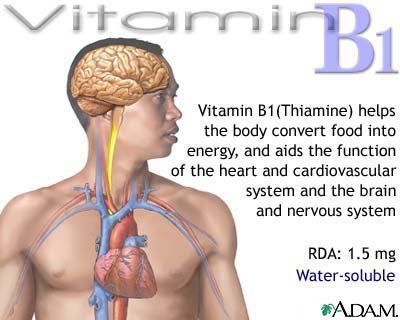
- It is required
for normal growth of children and maintenance of general health
-
It helps in the
release of energy from carbohydrates
- It is required
for the functioning and maintenance of the nerves.
- For red blood cells Nitrogen metabolism, healthy nerve tissue
- Wholegrain cereals especially
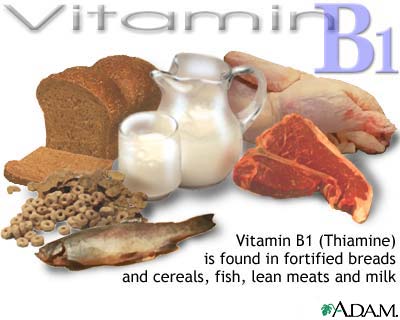
wheat, rice, and oats, are generally considered to be the best sources of
thiamine. Thiamine is usually found in the germ and outer layers. However, when
these grains are highly refined, for example, as white flour and polished rice,
the amount of thiamine is considerably reduced.
- Legumes such as soya beans and
- Other good sources of this vitamin are vegetables such as dry lotus stems, capsicum, turnip greens, and best greens
- fruits such as apricots and pineapples
- nuts such as groundnuts, pistachio nuts, and mustard seeds
- animal foods like
pork, sheep liver, and mutton.
Deficiency:
- Depression, irritability difficulty in concentration,
defective memory,.
- Growth retardation in children
- Neuritis and muscle weakness
- Severe deficiency leads to beriberi.( Avitaminosis caused by lack of thiamine (Vitamin B1)
(Riboflavin
- The 'Beauty' Vitamin)
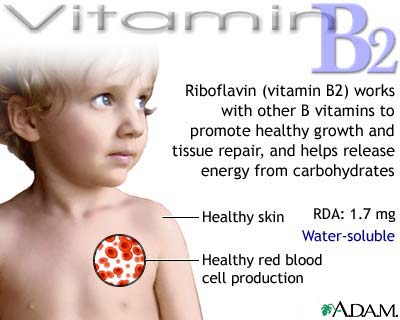
- Riboflavin is essential for growth and general health.
- It functions as a part of a group of enzymes which are involved in the metabolism of carbohydrates, fats, and proteins.
- It is involved in a number of chemical reactions in the body and is therefore essential for normal tissue maintenance.
- Riboflavin aids digestion and helps in the functioning of the nervous system.
- It prevents constipation, promotes a healthy skin, nails, and hair, and strengthens the mucous lining of the mouth, lips, and tongue.
- Riboflavin also plays an important role in the health of the eyes and alleviates eye strain.
- This vitamin is particularly helpful in counteracting the tendency towards glaucoma.
- An ample supply of vitamin B2 provides vigor and helps to preserve the appearance and feeling of youth.
Sources:
- Vitamin B2 (riboflavin), though widely distributed in vegetables and animal foods, is present only in small amounts in most of them.
- Foods rich in riboflavin are green vegetables such as lotus stems, turnip greens, beets, radish leaves, colocasia and carrot leaves
- fruits such as papaya, raisins, custard apples and apricots
- Foods of animal origin such as sheep liver and eggs, skimmed and wholemilk powder of cow's milk.
- Other well-known sources of this vitamin are almonds, walnuts, chilgozas, pistachio nuts, and mustard seeds.
- An average person may not be able to get an optimum amount of riboflavin unless he consumes a generous amount of milk.
- Milking of rice and wheat results in considerable loss of riboflavin since most of the vitamin is present in the germ and bran, which are removed during this process.
Deficiency:
Ø A
deficiency of vitamin B2
(riboflavin) may result in bloodshot eyes, abnormal sensitivity to light,
itching and burning of the eyes
Ø inflammation
in the mouth
Ø a
sore and burning tongue
Ø Cracks
on the lips and in the corners of the mouth.
Ø It
may also result in dull or oily hair, an oily skin, premature wrinkles on the
face and arms, and split nails.
Ø Riboflavin
deficiency also leads to the malfunctioning of the adrenal glands. It can be
contributing cause to such disorders as anemia, vaginal itching, and cataract.
Vitamin B
- Vitamin B3 or niacin is important for proper blood circulation and the healthy functioning of the nervous system.
- It
maintains the normal functions of the gastro-intestinal tract.
- It
is essential for the proper metabolism of proteins and carbohydrates.
- It
helps to maintain a healthy skin.
- Niacin
dilates the blood capillary system.
- It
is also essential for synthesis of the sex hormones, namely, oestrogen,
progesterone, and testosterone, as well as cortisone, thyroxin, and insulin.
- It
also maintains mental and emotional well-being.
Sources:
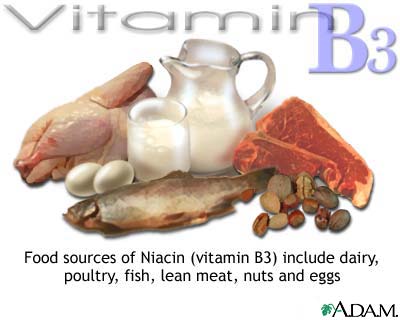
- In general, meat and fish are better sources of
niacin than plant products.
- Foods
of animal origin rich in this vitamin are sheep liver, lean meats, prawns,
pork, and cow's milk. Vegetarian sources rich in this vitamin are rice
bran, rice, wheat, groundnuts, sunflower seeds, almonds, and chilgozas; and
green vegetables like turnip and beet greens, and the leaves of carrots,
colocasia, and celer
- Yeast and bran are good natural sources of this vitamin but the removal of the bran in the milling of wheat reduces the niacin content of white-wheat flour to a low level.
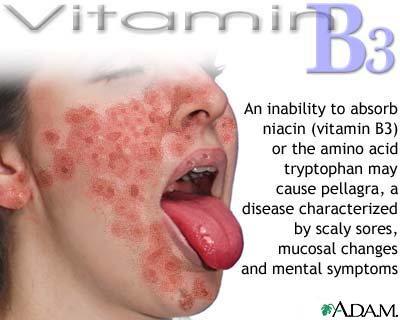
Deficiency:
- A
mild deficiency of vitamin B3 or
niacin may result in a coated tongue, sores in the mouth, irritability,
nervousness, skin lesions, diarrhea, forgetfulness, insomnia, chronic
headaches, digestive disorders, and anemia. Severe prolonged deficiency may
cause neurasthenia (weakness of the nerves), mental disturbances, depression,
mental dullness, and disorientation.
Vitamin B5
(Pantothenic Acid - The Anti-Stress Factor)
ü Vitamin B5 or pantothenic acid is a part of the enzyme system which plays a vital role in the metabolism of carbohydrates, fats, and proteins, and in the synthesis of amino acids and fatty acids.
ü It is also essential for the formation of porphyrin, the pigment portion of the haemoglobin molecule of the red blood cells.
ü This vitamin is involved in all the vital functions of the body.
ü It stimulates the adrenal glands and increases production of cortisone and other adrenal hormones.
ü It is primarily used as an anti-stress factor and protects against most physical and mental stresses and toxins.
ü Pantothenic acid increases vitality, wards off infections, and speeds recovery from ill health.
ü It helps in maintaing the normal growth and development of the central nervous system.
ü This vitamin prevents premature ageing.
ü It also provides protection against any damage caused by excessive radiation.
Sources:
- Vitamin
B5 or pantothenic
acid is found in extensive quantities in foods.
- The
best sources are yeast, liver, and eggs.
- Other
good sources are peanuts, mushrooms, split peas, soya beans and soya bean
flour.
- About
one-half of the pantothenic acid is lost in the milling of grains. Fruits are
relatively poor sources of this vitamin.
Deficiency:
- Chronic fatigue, an increased tendency towards infection
- greying
and loss of hair
- Mental depression, irritability, dizziness,
and muscular weakness.
- It
may lead to stomach distress, constipatio
- skin
disorders, retarded growth, painful and burning feet, insomina, muscle cramps,
exhaustion,
- Low blood sugar, low blood pressure, and duodenal ulcers.
Vitamin
B6
(Pyridoxine - The 'Versatile' Vitamin)
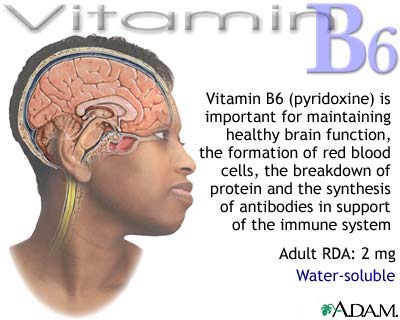
ü Pyridoxine or vitamin B6 aids in food assimilation and protein and fat metabolism, especially in the metabolism of essential fatty acids.
ü It activates many enzymes and enzyme systems.
ü It is involved in the production of antibodies which protect against bacterial diseases.
ü Pyridoxine helps in the healthy functioning of the nervous system and brain. It is essential for the normal reproductive process and healthy pregnancies.
ü This vitamin prevents nervous and skin disorders, provides protection against a high cholesterol level, certain types of heart disease, and diabetes.
ü It prevents tooth decay.
ü Vitamin B6 regulates the balance between sodium and potassium in the body, which is vitally important for normal body functions.
ü It is also required for absorption of Vitamin B12 and for the production of hydrochloric acid and magnesium
Sources:
ü
Yeast, sunflower seeds, wheat germ, soya beans,
and walnuts are the richest sources of vitamin B6 (pyridoxine) among plant foods.
ü
Lentils, lima beans, and other vegetables
provide fair amounts. Raw foods contain more of this vitamin than cooked foods.
Deficiency:
Ø
Deficiency of vitamin B6 may cause anaemia, oedema, mental
depression, and skin disorders.
Ø
Cracking at the corner of the lips, halitosis
(foul smell in the mouth)
Ø
Nervousness, eczema, kidney stones, inflammation
of the colon, damage to the pancreas, insomnia, tooth decay, and irritability
may also result due to deficiency of vitamin B6.
Ø
Inadequate intake of the vitamin may also lead
to loss of muscular control, migraine headaches, diseases of old age, and
premature senility.
Vitamin B8
(Biotin - Strengthens Immunity)
-
Vitamin B8
or biotin is vital for a healthy immune system.
- It is involved in the metabolism of carbohydrates, proteins, and fats.
- It is essential for the growth and health of the hair.
- It prevents premature greying of the hair as well as hair loss.
- This vitamin helps to maintain the skin and the nervous system in a sound condition.
- It controls proper distribution of color pigment.
Sources:
- The rich sources of biotin are brewer's yeast, beef liver, rice bran, rice germ, rice polishing, and peanut butter.
- This vitamin is also normally produced in the intestines if there are sufficient amounts of healthy intestinal flora present.
- However, frequent use of antibiotics can interfere with the synthesis of this vitamin.
Deficiency:
Ø Muscular
weakness, pains, pins and needles (pricking of the skin), lassitude, and lack
of appetite.
Ø It
may cause eczema, dandruff, hair loss and seborrhoea.
Ø Other
common problems which may occur are skin disorders, heart abnormalities, lung
infections, anaemia, extreme fatigue, confusion, mental depression, and
drowsiness.
Ø The
fleshy part of the tongue may waste away.
Vitamin B9
(Folic Acid - Prevents Anaemia)
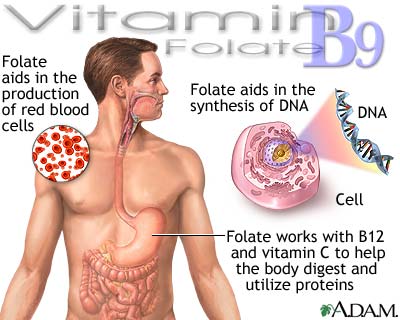
- The formation, maturation and multiplication of red blood cells.
- It is necessary for the growth and division of all body cells, including nerve cells, and for manufacturing a number of nerve transmitters.
- It also produces nucleic acids, RNA (ribonucleic acid) and DNA (deoxyribonucleic acid) that carry hereditary patterns.
- It aids in protein metabolism and contributes to normal growth.
- Folic acid helps in the building of antibodies which prevent and heal infections.
- It is essential for the health of the skin and hair, and helps to prevent premature greying of the hair.
- Folic acid is the single most important nutrient for a pregnant woman and her developing foetus. In fact, eating fresh fruits and vegetables rich in folate, from conception until the due date, is the best policy a woman can adopt to ensure that her pregnancy will be a happy and a healthy one.
- Folic acid also improves lactation.
Sources:
ü
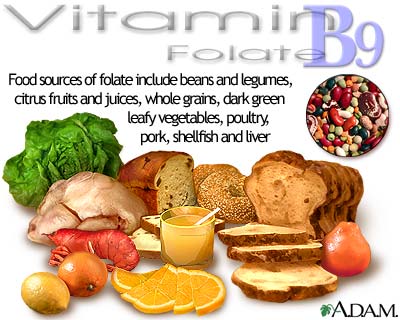
Bulses and legumes such as
ü Green vegetables such as am lanth, cluster beans, spinach, and mint are valuable sources of folic acid.
ü In fact the presence of this vitamin in green leaves was the basis for the name folacin (folium meaning leaf).
ü green leaves
ü Folic acid is found in gingelly seeds, and meat.
Deficiency:
Ø Anemia which often occurs in pregnant women and children.
Ø Serious skin disorders, loss of hair, impaired circulation
Ø A greyish-brown skin pigmentation, fatigue, and mental depression can result from a deficiency of this vitamin.
Ø Reproductive disorders such as spontaneous abortions and difficult labour
Ø A high infant death rate can also be caused by folic acid deficiency.
Ø
Vitamin B9
deficiency may also lead to loss of libido in males.
Ø
According to studies, two-thirds of
geriatric patients were found to be deficient in folic acid, while one-third of
psychiatric patients were also deficient in this vitamin. Lack of folic acid
can also lead to dementia (Dementia may involve progressive deterioration of thinking, memory,
behavior, personality and motor function, and may also be associated with
psychological symptoms such as depression and apathy.)
Ø
Almost all the anticonvulsant drugs
used in the treatment of epilepsy reduce serum folate concentrations. In
addition to anticonvulsants, other drugs such as oral contraceptives,
pyrimethamine (an antimalarial), co-trimoxazole (contains a sulphur compound),
and ethanol (alcohol) may impair folate metabolism.
Vitamin B12
(Cyanocobalamin
- Stimulates Growth of Red Blood Cells)
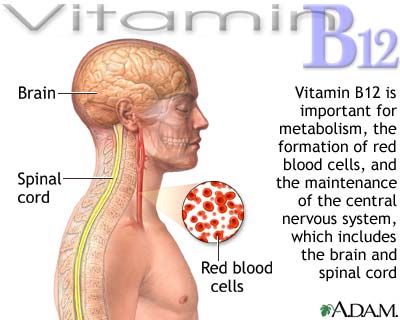
ü Like vitamin B6, vitamin B12 is essential for the production and regeneration of red blood cells.
ü It is also needed for the proper functioning of the central nervous system. It improves concentration, memory, and balance, and relieves irritability.
ü Vitamin B12 is necessary for proper utilisation of fats, carbohydrates, and proteins for body building.
ü It promotes growth and increases appetite in children.
ü This vitamin is also involved in many vital metabolic ,and enzymatic processes, including the metabolism of folic acid.
ü
If the immune cells made in the bone marrow are
to mature into active disease-fighters, a sufficient quantity of vitamin B12 and folic acid are necessary.
Sources:
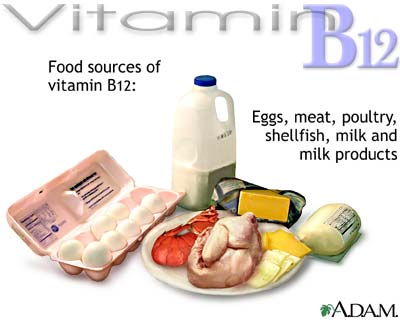
- Vitamin B12 is unique amongst vitamins in that it is mostly found in foods of animal origin.
- Meat, liver, eggs, shrimps, and dairy products are valuable sources of this vitamin.
- Vegetarians are therefore advised to increase their intake of milk or take vitamin B12 in a tablet form as a supplement.
|
Rich Food Sources of Vitamin B12 - values per 100g |
mcg |
|
Pig's liver |
25 |
|
Fatty fish |
5 |
|
White fish |
2 |
|
Beef |
2 |
|
Eggs |
2 |
|
Cheese |
1 |
|
Chicken |
0.5 |
|
Milk |
0.3 |
Sources:
- Vitamin B12 is unique amongst vitamins in that it is mostly found in foods of animal origin.
- Meat, liver, eggs, shrimps, and dairy products are valuable sources of this vitamin.
- Vegetarians are therefore advised to increase their intake of milk or take vitamin B12 in a tablet form as a supplement.
|
mcg |
|
Pig's liver |
25 |
|
Fatty fish |
5 |
|
White fish |
2 |
|
Beef |
2 |
|
Eggs |
2 |
|
Cheese |
1 |
|
Chicken |
0.5 |
|
Milk |
0.3 |
Vitamin T
Benefits
It is thought to strenthen red blood cells. Toxicity is unknown and supplements are not available.
Eating Sesame Seeds
Sesame seed paste, also known as tahini, is sold in health-food shops. It can be used by itself as a spread or dip, or made into hummus by the addition of chickpeas (garbanzo beans) as in the recipe opposite. Hummus is now widely available in supermarkets.