Vaginal Yeast Infection
This is a vaginal infection caused most commonly by the fungal organism Candida albicans.
Alternative Names
Yeast infection - vagina; Vaginal candidiasis; Monilial vaginitis
Causes
Candida albicans is a widespread organism found throught the world. It exists in small amounts in the vagina, the mouth, the digestive tract, and on the skin without causing disease or symptoms (approximately 25% of women without disease symptoms have this organism present).
Symptoms appear when the number of Candida albicans becomes larger in relation to the other microorganisms that normally inhabit the vagina. Candida albicans grows when the vagina has certain favorable conditions or when it is difficult for other microorganisms to survive. This causes the imbalance that leads to a yeast infection.
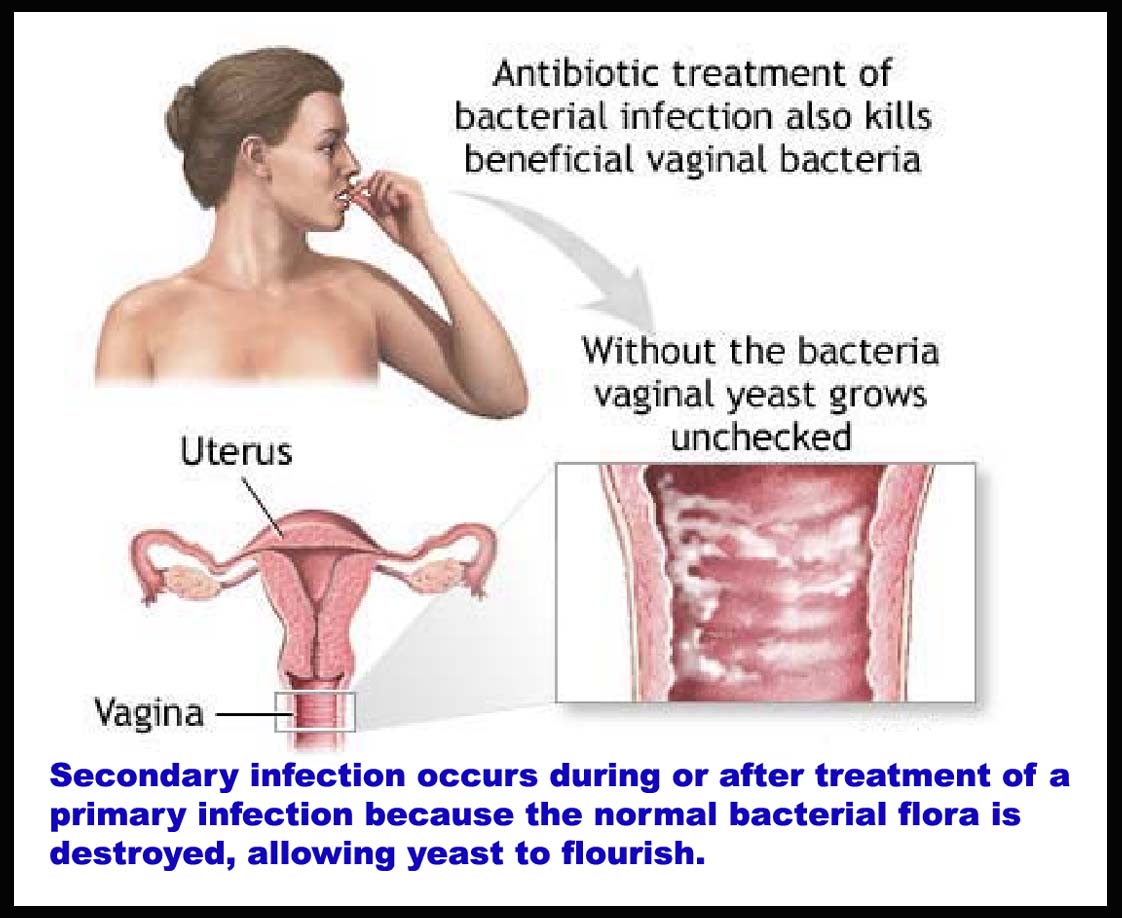
Yeast infection may follow a course of antibiotics that were prescribed for another purpose. The antibiotics change the normal balance between organisms in the vagina by decreasing the number of protective bacteria.
Infection is common and most women will have a vaginal yeast infection at some time. Other causes of a vaginal yeast infection are being pregnant, having diabetes, or having conditions that affect the immune system (such as AIDS or HIV).
Vaginal candidiasis is not a sexually transmitted disease. However, 12 - 15% of men will develop symptoms such as itching and rash on the penis following sexual contact with an infected partner.
Multiple vaginal yeast infections may be a sign of other health problems. Other vaginal infections and discharges can be mistaken for a vaginal yeast infection.
Repeat infections that occur immediately following treatment, or a persistent yeast infection that does not respond to treatment, may be the first or, at least, an early sign that an individual is infected with HIV.
Both men and women with HIV infection who have developed AIDS may be subject to Candida albicans infection throughout the body, including oral candidiasis (in the mouth), esophageal candidiasis (in the esophagus), and cutaneous candidiasis (on the skin).
Symptoms
- Abnormal vaginal discharge
- Ranges from a slightly watery, white discharge to a thick, white, chunky discharge (like cottage cheese)
- Inflammation of the vulvar skin
- Pain with intercourse
- Painful urination
- Redness of the vulva
- Vaginal and labial itching, burning





Exams and Tests
A pelvic examination will be done. It may show inflammation of the skin of the vulva, within the vagina, and on the cervix. The health care provider may find dry, white plaques on the vaginal wall.
A wet prep (microscopic evaluation of vaginal discharge) shows Candida.
Generally, the first incidence of yeast infection should be treated by your health care provider.
After the first infection, if you develop another infection and you are absolutely certain it is a yeast infection, you can treat it at home with over-the-counter vaginal creams such as miconazole or clotrimazole. Symptoms that don't go away should be evaluated by your gynecologist or primary health care provider.
Medications for vaginal yeast infections are available in either vaginal cream/suppositories. Oral medication should be avoided during pregnancy.
Outlook (Prognosis)
The symptoms usually disappear completely with adequate treatment.
Possible Complications
Chronic or recurrent infections may occur. This may be from inadequate treatment or self-reinfection.
Secondary infection may occur. Intense or prolonged scratching may cause the skin of the vulva to become cracked and raw, making it more susceptible to infection.
When to Contact a Medical Professional
Call for an appointment with your health care provider if this is the first time that you have vaginal yeast infection symptoms, or if you are unsure if you have a yeast infection. (If you are sure that you have a yeast infection, you can treat the disorder with over-the-counter medications.)
Call your health care provider if symptoms don't go away after using self-treatment vaginal creams, or if you have or develop other symptoms.
Prevention
Avoid persistent and excessive moisture in the genital area by wearing underwear or pantyhose with cotton crotches, and loose-fitting slacks. Avoid wearing wet bathing suits or exercise clothing for long periods of time, and wash them after each use.