Methylmercury
Poisoning
Methylmercury poisoning is brain and nervous system damage from the chemical methylmercury.
Alternative Names
Causes
Methylmercury is a type of mercury ("quicksilver"),
a metal that is liquid at room temperature. Most compounds containing mercury
are poisonous. Methylmercury has been used to preserve seed grain, which is fed
to animals. Methylmercury may also form in water when other forms of mercury in
the water react with certain bacteria. Methylmercury poisoning has occurred
after people have eaten meat from animals fed seedgrain or fish from waters
contaminated with methylmercury (such as
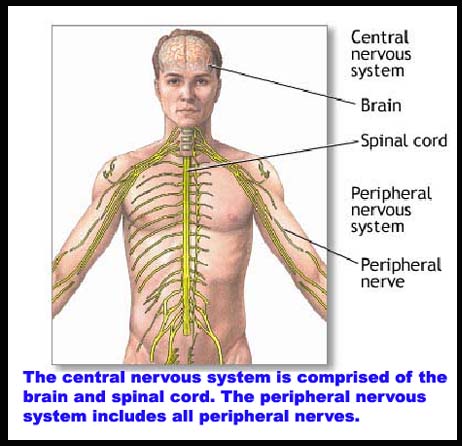
Unborn babies and young infants are very sensitive to methylmercury's effects. Methylmercury causes central nervous system (brain and spinal cord) damage. How bad the damage is depends on how much poison gets into the body. Many of the symptoms of mercury poisoning are similar to those seen in cerebral palsy. In fact, methylmercury is thought to cause a form of cerebral palsy.
The FDA recommends that women who are pregnant or may become pregnant and nursing mothers avoid fish that may contain unsafe levels of methylmercury. Such fish includes swordfish, king mackerel, shark, or tilefish. (Young infants should not be given these fish, either.) You should not eat any type of these fish caught by friends and family. Check your local or state health departments for warnings against locally caught, noncommercial fish.
Some health care providers have raised concerns
about ethyl mercury (thimerosal), a chemical used in some vaccines. However,
research shows that childhood vaccines do not lead to dangerous mercury levels
in the body. Vaccines used in children today only contain
Symptoms
- Blindness
- Cerebral palsy
- Deafness
- Growth problems
- Mental retardation
- Microcephaly (small head)
Exams
and Tests
Tests will vary depending on the symptoms that occur.
Treatment
Methylmercury damage is irreversible. Treatment is determined by the severity of the condition and is similar to that given for cerebral palsy.
Outlook (Prognosis)
The symptoms are irreversible; however, they do not usually worsen unless there is a new exposure to methylmercury.
Possible
Complications
Complications depend on the severity of the condition, and the specific symptoms manifested (such as blindness or deafness).
Methylmercury poisoning has been linked to an increased heart attack rate.
When
to Contact a Medical Professional
The
This is a free and confidential service. All
local poison control centers in the
Take the container with you to the hospital, if possible.
See: Poison control center - emergency number
Prevention
Strict avoidance of any foods contaminated with methylmercury will prevent poisoning. Because of manufacturing, mercury has become so common in the environment that trace amounts of methylmercury are present in many foods derived from the ocean, including deep-sea tuna. Fortunately, the levels are low enough that most of these foods remain safe. Contact Poison Control if you believe you may have been exposed.