Meningitis is a bacterial or non-bacterial infection that causes inflammation of the membranes covering the brain and spinal cord.
Causes
The most common causes of meningitis are viral infections that usually get better without treatment. However, bacterial meningitis infections are extremely serious, and may result in death or brain damage even if treated.
Ø Meningitis is also caused by:
Ø Chemical irritation
Ø Drug allergies
Ø Fungi
Ø Tumors
Types include:
Ø Aseptic meningitis
Ø Carcinomatous meningitis (meningitis due to cancer)
Ø Cryptococcal meningitis
Ø Gram negative meningitis
Ø H. influenza meningitis
Ø Meningococcal meningitis
Ø Pneumococcal meningitis
Ø Staphylococcal meningitis
Ø Syphilitic aseptic meningitis
Ø Tuberculous meningitis
Acute bacterial meningitis is a true medical emergency, and requires immediate treatment in a hospital.
Viral meningitis is milder and occurs more often than bacterial meningitis. It usually develops in the late summer and early fall, and often affects children and adults under age 30. Most infections occur in children under the age of 5. Most viral meningitis is associated with enteroviruses, which are viruses that commonly cause intestinal illness.
Many other types of viruses can also cause meningitis. For example, viral meningitis can be caused by herpes viruses, the same virus that can cause cold sores and genital herpes (although people with recurrent cold sores or genital herpes are not at a greater risk of developing herpes meningitis).
Recently, West Nile virus, spread by mosquito bites, has become a cause of viral meningitis in most of the United States. In addition to causing viral meningitis, West Nile virus may cause encephalitis in some patients and a polio-like syndrome in others.


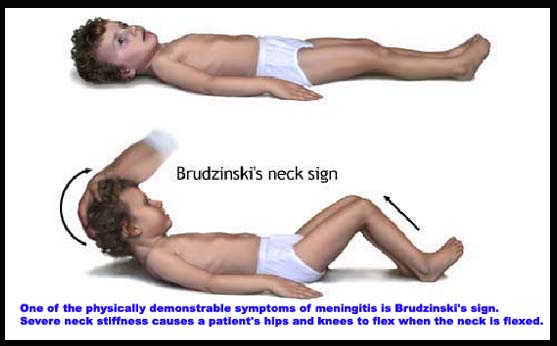
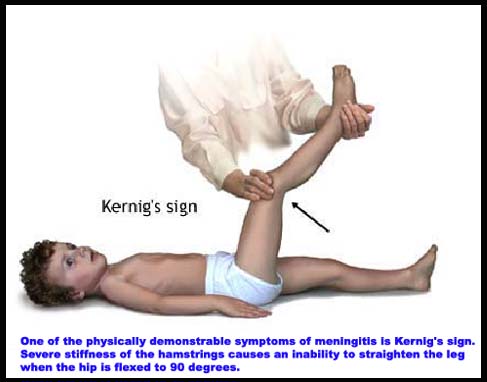
Symptoms
- Fever and chills
- Mental status changes
- Nausea and vomiting
- Sensitivity to light (photophobia)
- Severe headache
- Stiff neck (meningismus)
Other symptoms that can occur with this disease:
- Agitation
- Bulging fontanelles
- Decreased consciousness
- Opisthotonos
- Poor feeding or irritability in children
- Rapid breathing
Meningitis is an important cause of fever in newborn children.
Exams and Tests
- Chest x-ray
- Gram-stain and culture of CSF (cerebral spinal fluid)
- Lumbar puncture with CSF glucose measurement and CSF cell count
Treatment
Doctors prescribe antibiotics for bacterial meningitis; the type will vary depending on the infecting organism. Antibiotics are not effective in viral meningitis.
Treatment of secondary symptoms including brain swelling, shock, and seizures will require other medications and intravenous fluids. Some people may need to stay in the hospital, depending on the severity of the illness and the treatment needed.
Outlook (Prognosis)
Early diagnosis and treatment of bacterial meningitis is essential to prevent permanent neurological damage. Viral meningitis is usually not serious, and symptoms should disappear within 2 weeks with no lasting complications.
Possible Complications
- Brain damage
- Hearing loss or deafness
- Hydrocephalus
- Loss of vision
When to Contact a Medical Professional
If you feel that you or your child has symptoms of meningitis, get emergency medical help immediately. Early treatment is key to a good outcome.
Prevention
- Haemophilus vaccine (HiB vaccine) in children will help prevent one type of meningitis.
- The pneumococcal conjugate vaccine is now a routine childhood immunization and is very effective at preventing pneumococcal meningitis.
- Household contacts and people in close contact with individuals with meningococcal meningitis are advised to receive preventive antibiotics to avoid becoming infected themselves.
The meningococcal vaccination is recommended for:
- Adolescents ages 11 - 12 and previously unvaccinated adolescents entering high school (about age 15).
- All college freshmen who have not been vaccinated and are living in dorms.
- Children age 2 and older who do not have their spleen or who have other problems with their immune system.
- Those traveling to countries where diseases caused by meningococcus are very common (ask your doctor).