Malabsorption
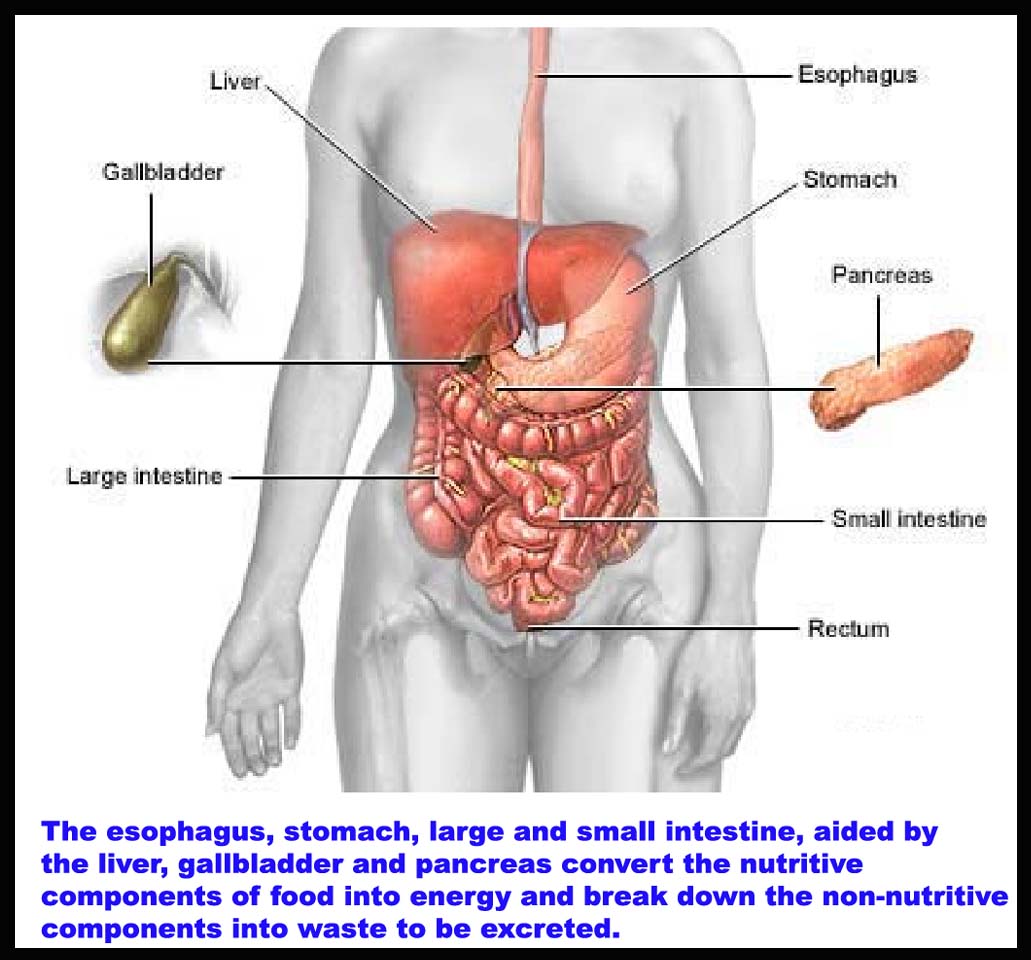
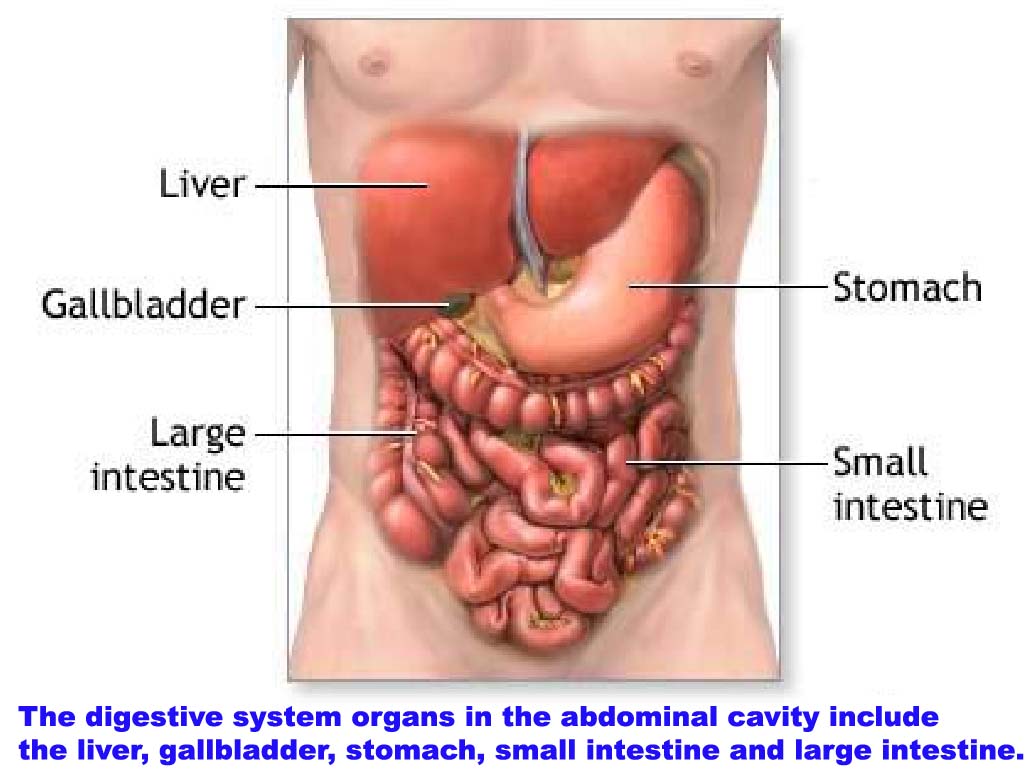
Malabsorption is difficulty digesting or absorbing nutrients from food.
Causes
Many diseases can cause malabsorption. Malabsorption is usually the inability to absorb certain sugars, fats, proteins, or vitamins from food. It can also involve a general malabsorption of food.
Some of the causes of malabsorption include:
- Abetalipoproteinemia
- AIDS
- Biliary atresia
- Celiac disease
- Certain medications (cholestryramine, tetracycline, some antacids, some medications used to treat obesity, colchicine, acarbose, phenytoin)
- Certain types of cancer (lymphoma, pancreatic cancer, gastrinomas)
- Certain types of surgery (gastrectomy with gastrojejunostomy, surgical treatments for obesity, partial or complete removal of the ileum)
- Cholestasis
- Chronic liver disease
- Chronic pancreatitis
- Cow's milk protein intolerance
- Crohn's disease
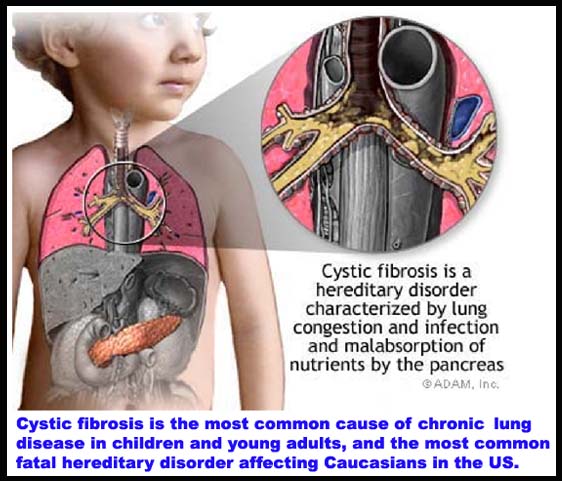
- Cystic fibrosis
- Damage from radiation treatments
- Lactose intolerance
- Parasites
- Giardia lamblia
- Necator americanus (hookworm)
- Strongyloides stercoralis
- Shwachman-Diamond syndrome (a genetic disease affecting the pancreas and bone marrow)
- Soy milk protein intolerance
- Whipple disease
Vitamin B12 malabsorption may be due to:
- Juvenile pernicious anemia
- Tapeworm (diphyllobothrium latum)
Malabsorption of vitamins can occur even without diarrhea.
Symptoms
- Bloating, cramping, and gas
- Bulky stools
- Chronic diarrhea
- Failure to thrive
- Fatty stools (steatorrhea)
- Muscle wasting
- Weight loss
Malabsorption can affect growth and development, or it can lead to specific illnesses.
Exams and Tests
- D-xylose test
- Hydrogen breath test
- Imaging studies of small intestine and pancreas
- Qualitative stool fat test
- Quantitative stool fat test
- Schilling test for vitamin B12
- Secretin stimulation test
- Small bowel biopsy
- Stool culture or culture of small intestine aspirate
Treatment
Vitamin and nutrient
replacement is often necessary.
Outlook
(Prognosis)
The outlook depends on the condition causing malabsorption.
Possible
Complications
Long-term malabsorption can result in:
- Anemia
- Gallstones
- Heart failure
- Kidney stones
- Osteoporosis and bone disease
- Malnutrition and vitamin deficiencies
When
to Contact a Medical Professional
Call your health care provider if you notice symptoms of malabsorption.
Prevention
Preventive methods depend on the condition causing malabsorption.